Bologna’s Giardini Margherita: how do you read a public park as part of the city?

A park visit can be more than the gap between two museums. At Bologna’s Giardini Margherita, a path, a view across water and the arrangement of trees tell a story about how a city made room for public leisure. You can explore that story without sacrificing the simple pleasure of a walk. The trick is to choose one or two things to notice, then leave the rest of the time unprogrammed.
Begin at the edge of the historic city
The regional cultural heritage catalogue dates the park’s creation to the 1870s and its inauguration to 1879. Its designer was Ernesto Balbo Bertone di Sambuy, and the name honoured Queen Margherita. The account places the project within the nineteenth-century growth of public green spaces. This was a designed addition to urban life, rather than a piece of untouched countryside that the city happened to surround.
That changes how you look at the approach. Cross the busy roads carefully and pause once you are inside, rather than treating the entrance as the start of a fitness timer. Notice how the sound and pace differ from the streets you have left. The transition itself is part of the park’s value. It can be especially welcome after the concentrated indoor attention of a museum or a long morning beneath porticoes.
Follow a curve, not every path
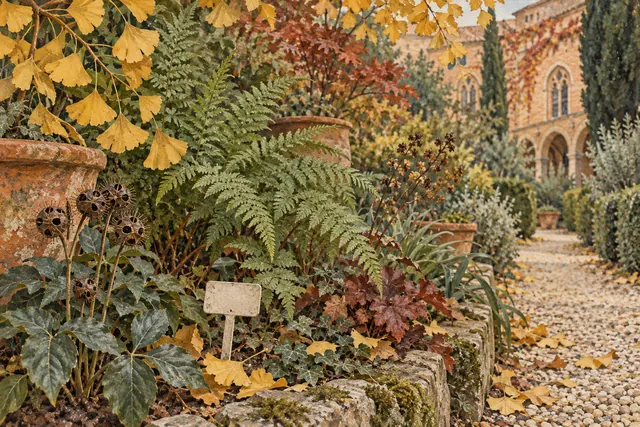
Bologna Welcome describes a landscape influenced by English Romantic parks, with much of its earlier layout still recognisable. A useful looking exercise is to follow one curving path and notice when a view opens or disappears. A route that feels relaxed may still be carefully composed. Trees, water and open lawn can organise a sequence just as walls and doorways do inside a building.
Try choosing a turnaround point before you set off. It might be the next broad view of the pond or a bench that gives your group a comfortable pause. This avoids the common mistake of turning a restorative walk into another race across a map. If you are travelling with someone whose energy differs from yours, an out-and-back section can be more practical than insisting on a complete circuit.
Look beneath the leisure landscape
The park’s construction revealed Etruscan burials. Bologna Welcome points to a travertine tomb visible near the central lawn, while the regional account explains the larger archaeological discovery. Treat a visible ancient feature as evidence requiring interpretation, not as a decorative prop to climb on. A nineteenth-century park and an earlier burial landscape can occupy the same place without belonging to the same historical story.
Our Archaeological Museum guide offers a way to pursue that earlier history indoors. It is a separate visit with its own opening conditions; no park walk substitutes for the context a museum can provide. Conversely, seeing an archaeological trace outdoors can make a later museum label feel less abstract. The connection works best when you keep the different settings and evidence clear.
Water and trees reward a smaller focus
The tourism authority notes an exposed stretch of the historic Savena canal near the pond. You do not need to reconstruct Bologna’s entire water system during one stroll. Look at the relationship between water, path and planting, then follow signs or a reliable local explanation for the specific feature. Do not assume that every visible channel or pond edge has the same origin or function.
For a more concentrated plant-based visit, our Bologna botanical garden guide offers a different approach. A public park and a botanical collection serve different purposes, even when both contain interesting trees. Here, you might follow the changing colour of one canopy or compare shade with an open lawn. Seasonal effects depend on weather and the particular trees, so an autumn publication date is not a promise of peak foliage.
Keep practical arrangements flexible
Plan for the weather, daylight and your return route. Use designated paths and crossings, keep clear of runners and cyclists, and check local notices before settling into an area affected by work or an event. A café, toilet or organised activity mentioned in an older account may not operate when you arrive. Confirm any facility essential to your visit separately rather than treating the park’s general existence as a service guarantee.
Our Casa Carducci guide can provide a nearby cultural theme if its opening suits your day, while Bologna walking experiences help compare guided city routes. For a multi-city comparison, Rome Tour Hub’s botanical garden article shows how a greener itinerary can take different forms. At Giardini Margherita, leave with one observation about design and enough energy to enjoy whatever comes next.
Sources & further reading
Turn a good read into a great day.
Find a highly rated Bolognese experience that brings these stories to life.
Explore related experiences →