Bologna’s university story: how a city learned to think aloud

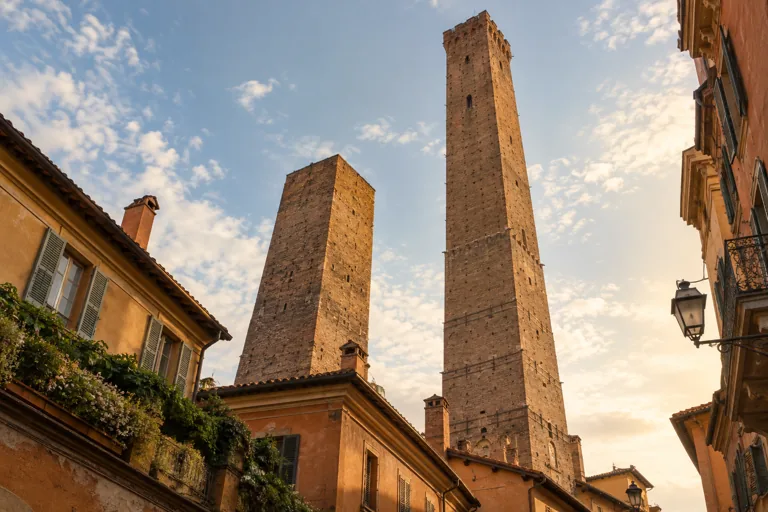
Bologna’s university history is easy to reduce to a date and a superlative. The more interesting story is how learning became part of the city’s daily life: people arriving to study, teachers finding audiences, books moving between hands and buildings adapting to new purposes. You can begin to see that story without entering a lecture hall. It is written into the relationship between institutions and the streets around them.
Use the famous date carefully
The University of Bologna’s own history identifies 1088 as the conventional foundation date and describes its place in the history of the Western university. The word conventional matters. Institutions can develop over time before later generations assign a date that helps tell their story. A medieval community of learning should not be imagined as a modern campus opening all at once.
This distinction makes a visit more interesting rather than less impressive. It encourages you to ask what studying meant in different periods, who could participate and how teaching was organized. A guide who can explain those questions gives you more than a collection of famous names. Look for an experience that connects places with ideas rather than merely pointing out old walls.
Do not confuse the earliest institution with every later building
The Archiginnasio is a major university landmark, but its construction belongs to a much later chapter than the institution’s medieval origins. A city can possess several layers of academic history at once. Keeping those layers separate helps avoid the common mistake of treating every historic teaching space as if it had served the same purpose for nine uninterrupted centuries.
Our Archiginnasio guide looks at that building in more detail. Before visiting, check which rooms are accessible and what kind of admission is offered. A library, a museum room and a ceremonial hall are not interchangeable attractions. Some spaces continue to support study or institutional activity, and that living use deserves respect alongside the visitor experience.
Read the city as a network
Walk with a simple question: what does a university need beyond classrooms? Places to live, buy food, print or sell books, gather and move through the city all become part of the answer. This is an interpretive way of looking, not a claim that every shop has an ancient academic pedigree. It helps you connect learning with ordinary urban life.
The porticoes are especially useful for this exercise because they join buildings and public routes so visibly. Our guide to Bologna’s covered streets explains their varied forms and civic role. Notice where the atmosphere shifts between a busy square and a quieter lane. The transitions may tell you as much about the contemporary university city as a plaque does about a celebrated professor.
Choose a collection that matches your curiosity
The University Museum Network brings together museums and collections connected with Bologna’s academic life. Rather than trying to see everything, choose a subject that gives you a real question to pursue. Scientific instruments, specimens and historical objects can be easier to understand when you focus on what someone was trying to observe, measure or teach.
Check each collection’s current arrangements independently. Opening times, bookings and access can differ between sites. A university collection may operate on a different rhythm from a large general museum. Give yourself time to read a few labels carefully and connect objects to their use. Quantity is a weak measure of a visit built around curiosity.
Let the story continue into the present
A university city is not only a repository of past achievement. It is also a place where people are currently studying, working and trying to understand things. Avoid treating students or researchers as picturesque additions to a historic setting. Keep corridors and entrances clear, and distinguish public visitor areas from spaces intended for institutional use.
Pair a focused academic visit with a relaxed walk or food stop using our day-planning ideas. If your wider trip includes Florence, the Florence arts collection offers a different lens on patronage, making and knowledge. Bologna’s contribution is its own: a city where the history of learning can change how you notice a doorway, a bookshop or an ordinary conversation beneath an arch.
Sources & further reading
Turn a good read into a great day.
Find a highly rated Bolognese experience that brings these stories to life.
Explore related experiences →