Tortellini, tagliatelle and ragù: understanding Bologna’s pasta
A Bologna menu becomes easier to enjoy when the pasta stops looking like a list of interchangeable names. Shape, thickness, filling and sauce all affect the experience of a dish. You do not need to become an expert before lunch. A few useful distinctions will help you ask better questions, order with confidence and notice the craft that lies behind something that arrives looking deceptively simple.
Start with shape and texture
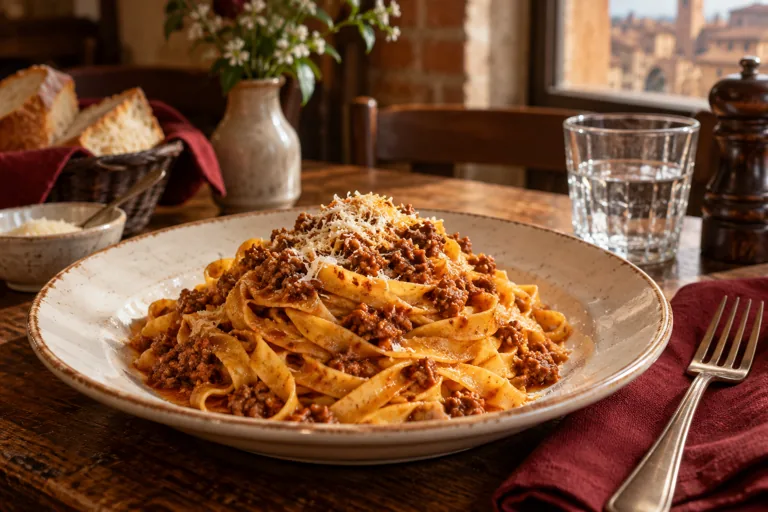
Tagliatelle are ribbons; tortellini are small filled parcels; lasagne are assembled in layers. Those basic differences already suggest different ways of eating and cooking. A ribbon can carry sauce across a broad surface, while a filled shape gives you dough and filling together. Notice how the pasta feels as well as what is mixed with it.
The official collection of local recipes includes tagliatelle al ragù, green lasagne and tortellini in broth. Treat these as reference points rather than rules for policing every restaurant. A menu may offer a traditional preparation, a seasonal variation or a cook’s own interpretation. The most useful question is what this particular kitchen is serving.
Let ragù be a dish to understand
Outside Italy, Bolognese can refer to a wide range of sauces. In Bologna, begin by reading the dish as it is written rather than assuming it matches the version you know at home. Ask about the ingredients if they matter to you, and notice the relationship between the pasta and the sauce. A good meal can expand a familiar idea without requiring a lecture about authenticity.
Avoid expecting every plate to look identical. Family practice, professional kitchens and personal taste create variation within a recognizable tradition. The pleasure is in comparing texture, balance and technique with curiosity. If you are traveling with someone who prefers a different dish, ordering different courses can create a small shared lesson without turning lunch into a competitive tasting exercise.
Filled pasta rewards slow attention
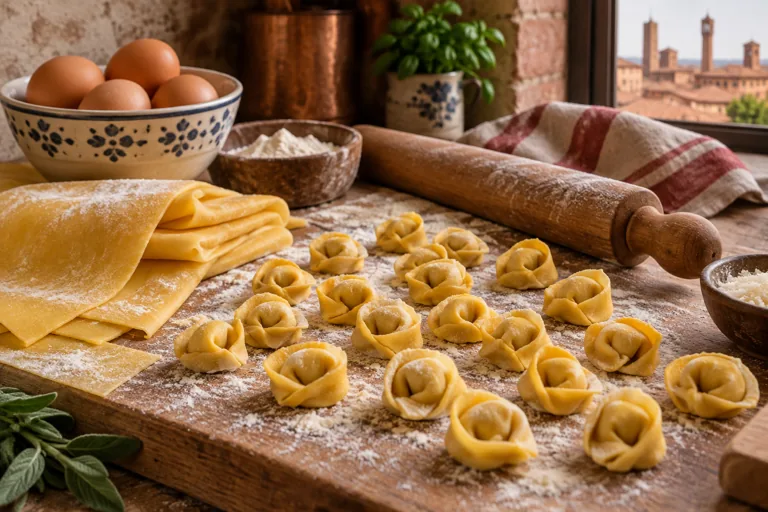
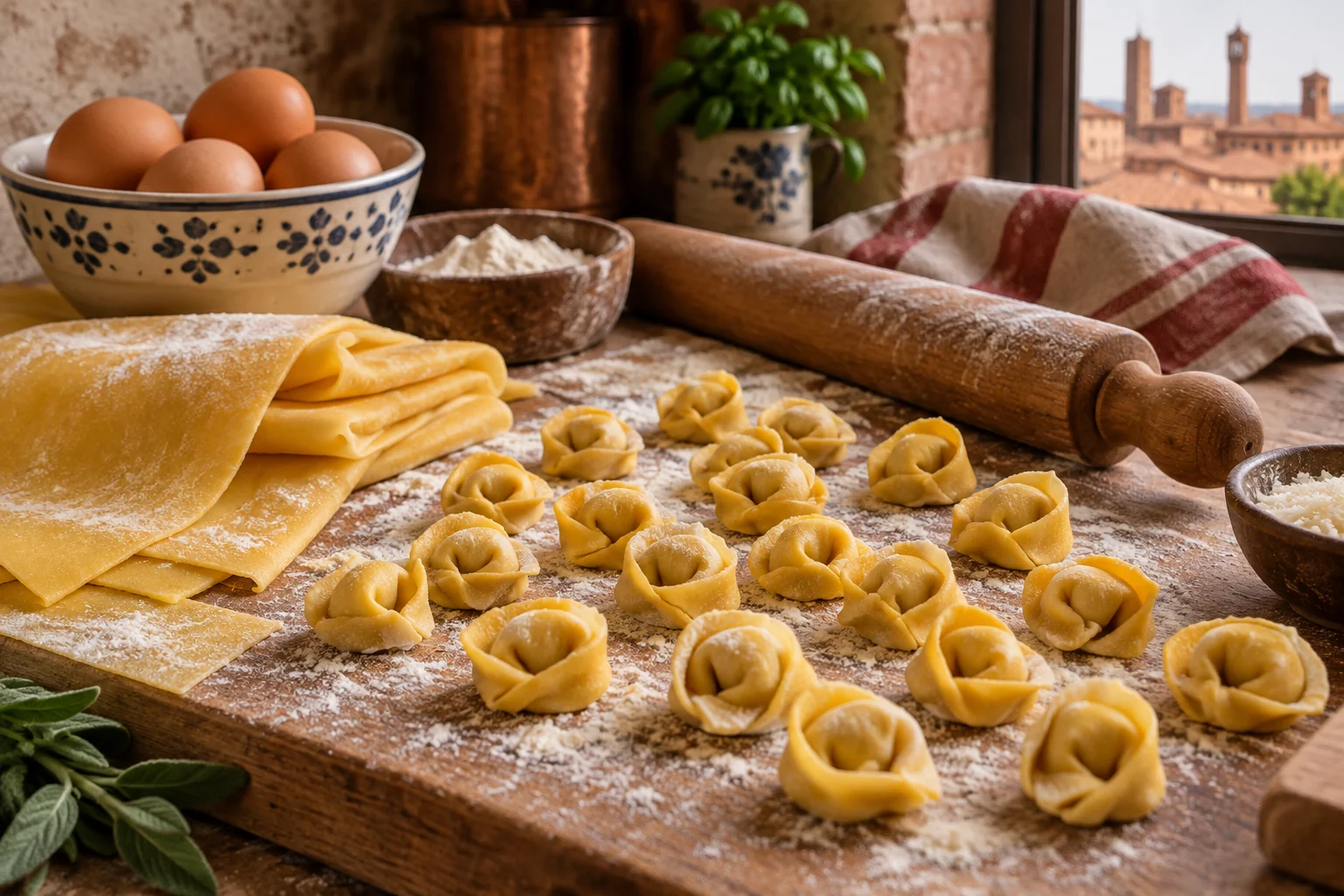
With a filled shape, look at the fold before taking the first bite. The closure has a job to do: it must hold together while the dough cooks and the filling warms. A cooking demonstration makes this logic especially clear. What appears effortless in practiced hands often involves a sequence of small decisions about moisture, pressure and the amount of filling.
Do not infer ingredients from appearance. Filled pasta can involve combinations of meat, cheese, eggs or vegetables, and a sauce may add further ingredients. Ask the restaurant or operator about your needs before ordering. Our food-tour versus cooking-class guide explains how to assess dietary arrangements for an experience, where several tastings or a shared kitchen may complicate substitutions.
Try making pasta if the process interests you
A class gives you a different kind of souvenir: an action you can try again. Rolling, cutting and folding create a physical understanding that a recipe alone cannot provide. Choose a lesson with a clear description of participation. If you are hoping to work the dough yourself, make sure the class offers more than watching the host complete most of the preparation.
Read the cooking-class checklist before comparing Bologna’s food experiences. Ask how much standing is involved, what the menu includes and whether the final meal is part of the session. A smaller menu with enough practice can teach more than an ambitious sequence completed at speed. The goal is a satisfying lesson, not an impressive list of dishes on a booking page.
Order a meal that fits the rest of the day
Pasta is often substantial, and the pleasure can disappear if you have already scheduled too many food stops. Look at the day as a whole. A market tasting, a pasta lunch and a cooking-class dinner might be delightful on separate days but excessive when compressed into one. Give yourself permission to choose one main food event and enjoy it properly.
If your trip also includes Florence, Florence’s food experiences provide a useful way to compare regional traditions rather than expecting one national menu everywhere. Back in Bologna, browse the Quadrilatero with your new vocabulary and notice what you recognize. The best result is not knowing every pasta name. It is being able to connect a shape on your plate with the work and choices that brought it there.
Sources & further reading
Turn a good read into a great day.
Find a highly rated Bolognese experience that brings these stories to life.
Explore related experiences →